At the start of this month, I launched my first small crowdfunding project on Kickstarter:
My concept was to launch a sustainable men’s clothing brand that promotes reforestation by partnering with a charity to plant ten trees for every shirt sold.

I’m sad to report that it hasn’t been a resounding success and it’s extremely unlikely to meet its funding goal. Why? In a nutshell – I am a crowdfunding virgin and I completely neglected the promotional side of the campaign.
Whilst it has been very tough watching my first crowdfunding project flounder, my own journey has taught me a lot about crowdfunding and specifically crowdfunding promotion. I’ve compiled a list of what I’ve learnt along the way, so that you can avoid making the same mistakes.
Tech Gadgets and Games – and not too much else!
Firstly, I wasn’t aware before launching that Kickstarter is now predominantly used to fund tech gadgets or games. Apparel projects like mine are getting fewer and farther between. With the beauty of hindsight, I would definitely spend time researching which project categories achieve the highest funding rates. Backers now only cruise Kickstarter or Indiegogo looking for specific types of products.
Kickstarter will promote my project for me – WRONG!
Secondly, I thought that Kickstarter would do a lot of the promotion for me and this has been my real Achilles Heel. My project has now completely floundered (after receiving good initial take-up from family and friends) as it’s just not getting enough views. Kickstarter and Indiegogo are now very congested platforms and it’s too easy to get lost in the crowd!
Commence a ‘pre-launch’ several months before you launch
Being a crowdfunding virgin, I didn’t give any consideration to a pre-launch and this was a big mistake. The vast majority of successful crowdfunding projects prepare a pre-launch several months before launching. They set up a Facebook and Instagram page, they create a sleek website to serve as a legitimate landing page and they either begin to blog themselves about the project or they reach out to bloggers to review their product/service offering. The aim of the game at this pre-launch stage is to collect emails of prospective backers so they can be re-targeted when it comes to the marketing/promotion stage.
How can I promote my crowdfunding project?
Kickstarter, Indiegogo and other crowdfunding platforms are overcrowded, with new projects launching all the time. Just going through the motions of crowdfunding is nowhere near enough nowadays. The entire process is very time intensive and requires a lot of effort in terms of prototyping, pre-launch, marketing and post-launch planning.

Crowdfunding promotional services that I came across
Before you launch your crowdfunding project, it is important to test your campaign. I came across two services which provide this as a free service:
- Hyperstarter
- Kicktraq
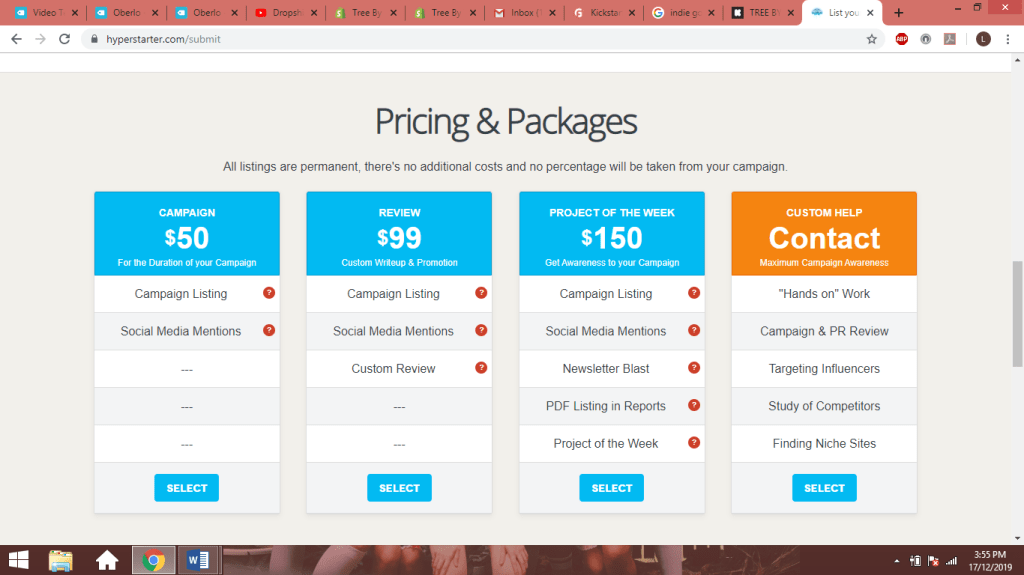
In my opinion, Hyperstarter has a more professional feel to it and it does provide a more comprehensive health-check of your campaign but Kicktraq does promote your campaign for free so it is a ‘no brainer’. If you want to promote your campaign on the Hyperstarter page, they charge between $50 USD to $150 USD depending on whether you want your project to be featured as a ‘project of the week’. Honestly this was one of the cheapest promotional offers that I came across.
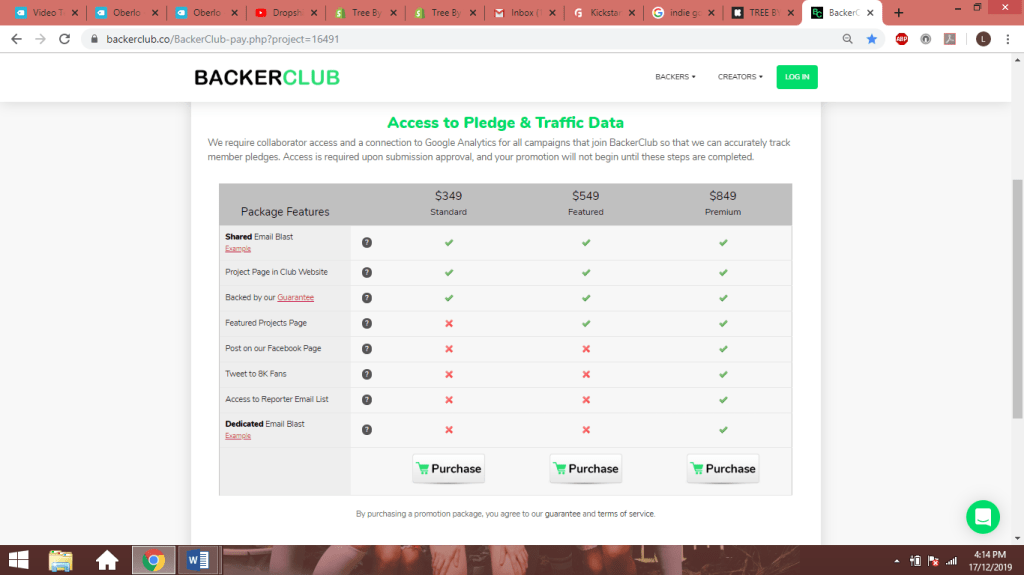
BackerClub is another large platform that offers to put crowdfunders in contact with potential backers for a fee. However BackerClub also requires you to offer a special pledge for its BackerClub members (it’s essentially how they keep their loyal backers on their mailing list). This commonly consists of a price discount but it could also be a free add-on item or a special upgraded reward tier. The BackerClub members are what are referred to as serial backers so this platform definitely puts your campaign in front of the right audience.
In terms of costs, the costs range from $379 USD for the entry level package up to $849 USD for the premium package. BackerClub offer a guarantee that they will refund the difference if you don’t achieve at least $379 USD in pledges from its BackerClub members – this does show that they’re pretty confident in their members. Here a screenshot of the different package options:
Larger crowdfunding marketing agencies
There are numerous crowdfunding marketing agencies that have popped up in the last five years but my research illustrated that there are several ‘big players’:
- Jellop
- Enventys Partners
- Crowdreach
- BackerCamp
- Sprint Crowdfunders
- FundedToday
Now most of these specialised crowdfunding marketing agencies deal with projects with larger funding targets (usually in the $50,000 USD to $200,000 USD arena). They all seem to require a minimum marketing budget (which depends upon the funding goal) and they also take a percentage of total funds raised (some of them as much as 40%). I contacted several of them with reference to my Kickstarter campaign and most of them politely declined my invitation as I was too small or I didn’t have a ‘tech gadget’. This was honestly completely understandable – it would very hard for them to profit from a little campaign like mine!
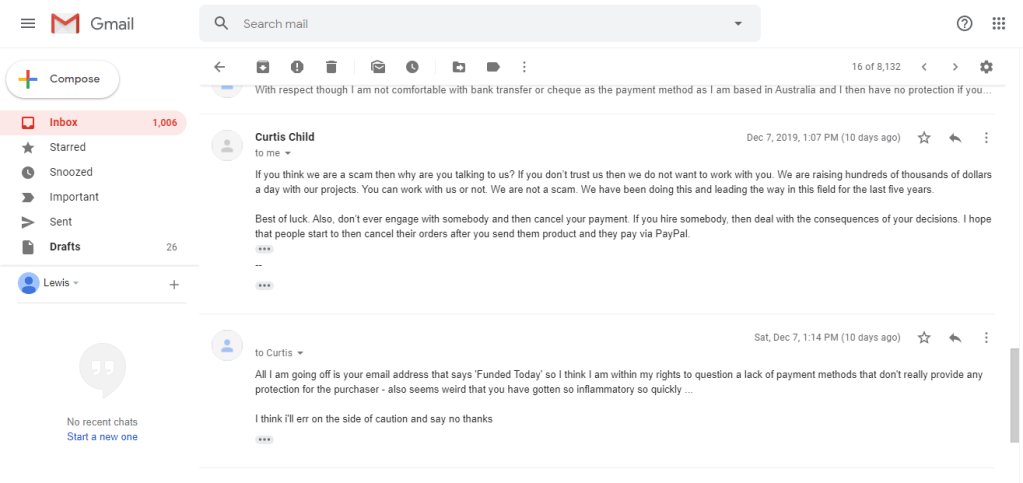
The only agency I did hear back from was FundedToday and I’m sorry to report that they were very rude and I wouldn’t recommend them. Here is a screenshot of our email correspondence – I queried why the only method of payment was international bank transfer and not something with protections in place (such as PayPal) and the representative got quite enraged after I raised this issue and proceeded to tell me that he hopes people cancel orders for my product … not the type of ‘professional’ I would want handling my campaign. I was also cruising the Kickstarter Forum and there were quite a few crowdfunders that had posted complaining about FundedToday. They argued that FundedToday had taken their money and then not done much else. That’s just my two cents.
Affiliate Marketing
There are crowdfunding promotional services out there that let affiliates promote your campaign for you in return for a fee. A big outfit that I came across is called Kickbooster. You can select a percentage return that affiliates (referred to as ‘boosters’) will receive if they successfully find pledgers for your project. The commission rate seems to range from 10% to 20% for most of the projects listed on the Kickbooster site. The Kickbooster platform charges a monthly fee of $29 USD for their services and they also take another 5% of any pledges raised if you want to access their marketplace (which is kind of essential). Again this is one of the more effective methods of crowdfunding promotion that I came across but you need to have the right product or service that appeals to affiliates (boosters).
Some useful start-up blogs/platforms
There are a myriad of blogs out there but there are now more and more that feature crowdfunding projects. Some of the decent blogs/websites/platforms that I came across on my travels include:
- Alltopstartups
- Startuptabs
- Product Hunt
- Gadget Flow
- Werd
- HiConsumption
Some of these blogs/platforms will allow you to showcase your crowdfunding project for a fee (such as Alltopstartups and Startuptabs). Others platforms such as Product Hunt allow members (it is members only) to ‘upvote’ (the same as a ‘like’ on Facebook) crowdfunding projects.
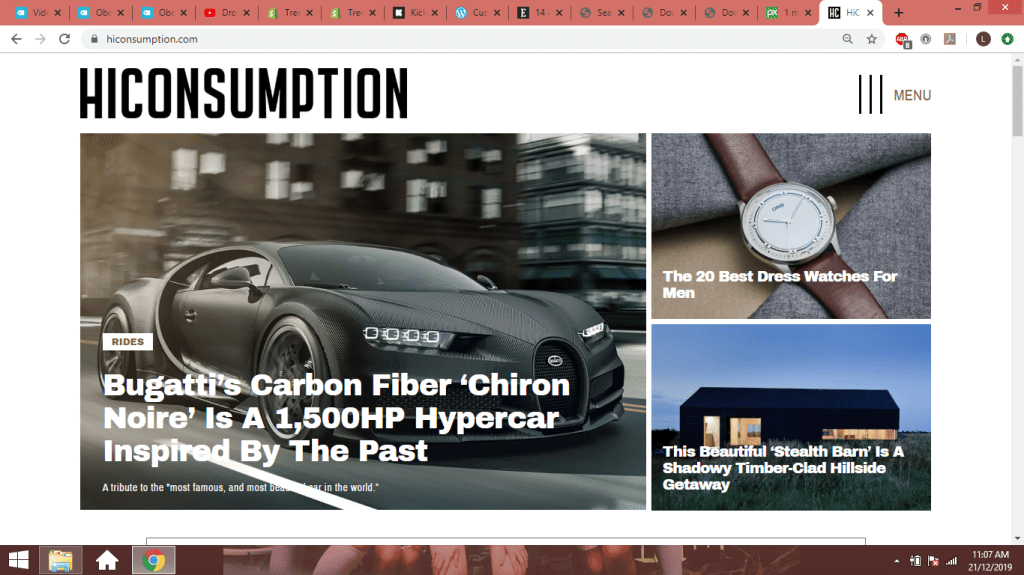
Gadget Flow consistently does exposes on popular ‘tech gadget’ crowdfunding projects. In a similar vein, Werd and HiConsumption are men’s lifestyle blogs and they consistently feature new ‘tech’ and fashion gadgets. Obviously these blogs are relatively picky as to what they will feature/discuss/review.
Now some of the pitfalls
As soon as my project launched on Kickstarter, I was contacted by two different crowdfunding marketing ‘gurus’. I’ve used quotations as it actually seems that both of these ‘gurus’ are more like crowdfunding clowns. The two companies that reached out to me were ‘Ninjacrowdfunding’ (http://www.ninjacrowdfunding.com/) and ‘Facebookmarketingqueen’ (http://www.fbmarketingqueen.com/).
Their websites are legitimate enough in appearance and it was only when I started reading through the Kickstarter Forum that I noticed that multiple people had posted naming and shaming both of these services. A lot of people were complaining of no tangible results, very limited or no response to messages, no real proof of work completed etc. It seems that they prey on small crowdfunding projects and people such as myself that are crowdfunding virgins so a word to the wise! There are lots of these small ‘gurus’ out there so my advice would be to avoid them like the plague.
Feedback is welcomed
I would love to hear about any other tips or resources that helped you during your crowdfunding campaign. Please share these in the comments below.
 Everything Entrepreneurship
Very informative!
Thanks for sharing 🙂
LikeLiked by 1 person